
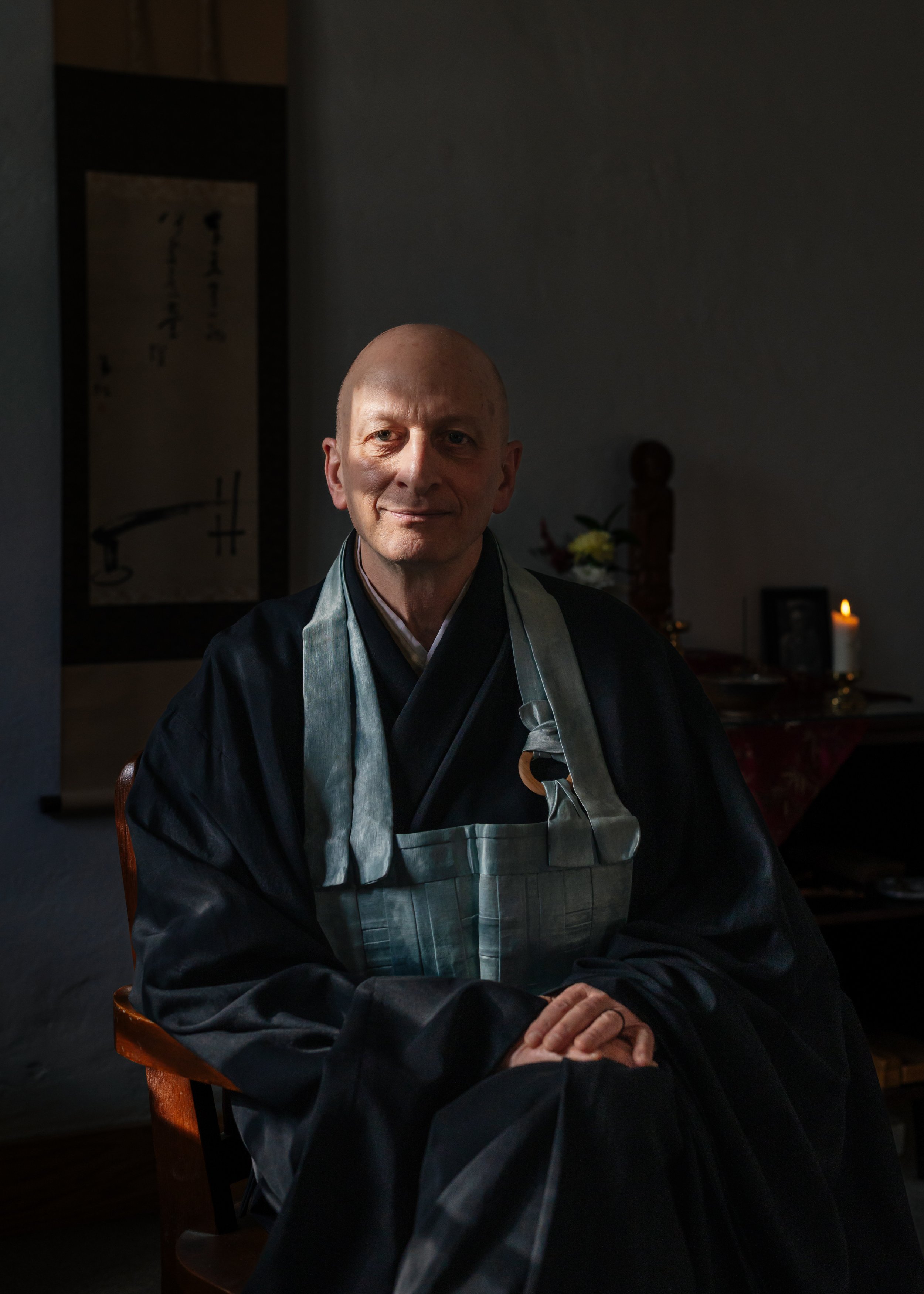
My family was not religious, and so religion was not anything that I was interested in growing up. In fact, as a teenager, I was inclined against it. But in high school, I started reading and thinking about things, and I was already having a sense of wanting my life to be meaningful and have a sense of being alive and being somehow awake. I mean, I wouldn't have said it that way back then. I didn't really understand, but I was feeling a lot. And I wasn't very inspired by what I was seeing around me in terms of choices, examples of adults.
Then I came across one of, like, two books on the Zen tradition. And I immediately felt kind of resonance. I felt that these people knew something about me and about life. And it really captivated me that the teachings I encountered spoke so plainly about things that most people don't want to talk about. Suffering death, but in ways that was not morbid or sad. It was powerful. And it just felt that kind of honesty and directness.
The image that I had was, a wooden match. You light it and then it burns all the way in, and when it goes out, it's completely charred. At the end of my life, that's what I want to look like. Like I had used everything. And most directly that I had taken up and addressed this inner dis-ease, this inner discontent that I felt about just being alive. And even though everything was fine, I just didn't feel satisfied. And Buddhism was the only thing that I encountered that I felt understood that in a deep way and didn't present me with anything that seemed like an obstacle other than myself. You know, I didn't believe in God, so other religions, it was like.. they just didn't speak to me in the way that Buddhism did. I just felt like it. I mean, I wouldn't have said that then, but. But now I look back and I think there was a sense that it understood me more than I understood myself.
Shugen Arnold / Mount Temper, NY